


For individuals Leak check for individuals
We check whether your email addresses and passwords appear in known data leaks – and tell you in plain language what follows from that.
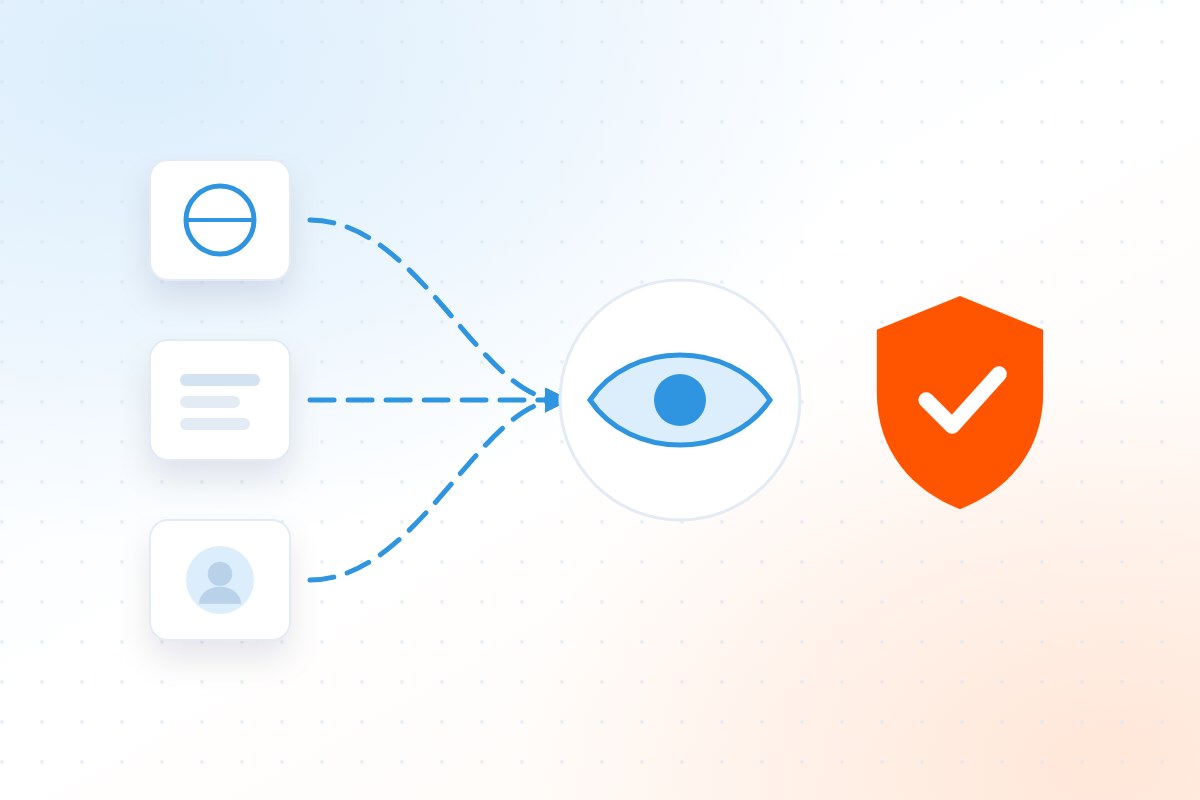
- The key questionIs your data already out there somewhere – and is a password you still use affected?
- Why it mattersMost account takeovers in the private sphere don't begin with a hack but with an old, reused password.
- What you have afterwardsAn understandable list: what is affected, what is harmless and what you should change today.
Leak check for individuals
- Checking your email addresses against known data leaks
- Assessment: which finding is critical, which is old and harmless
- Checking whether a password pattern is recognisably reused
- A concrete order of which accounts should be changed first
- Recommendation on password managers, without selling products
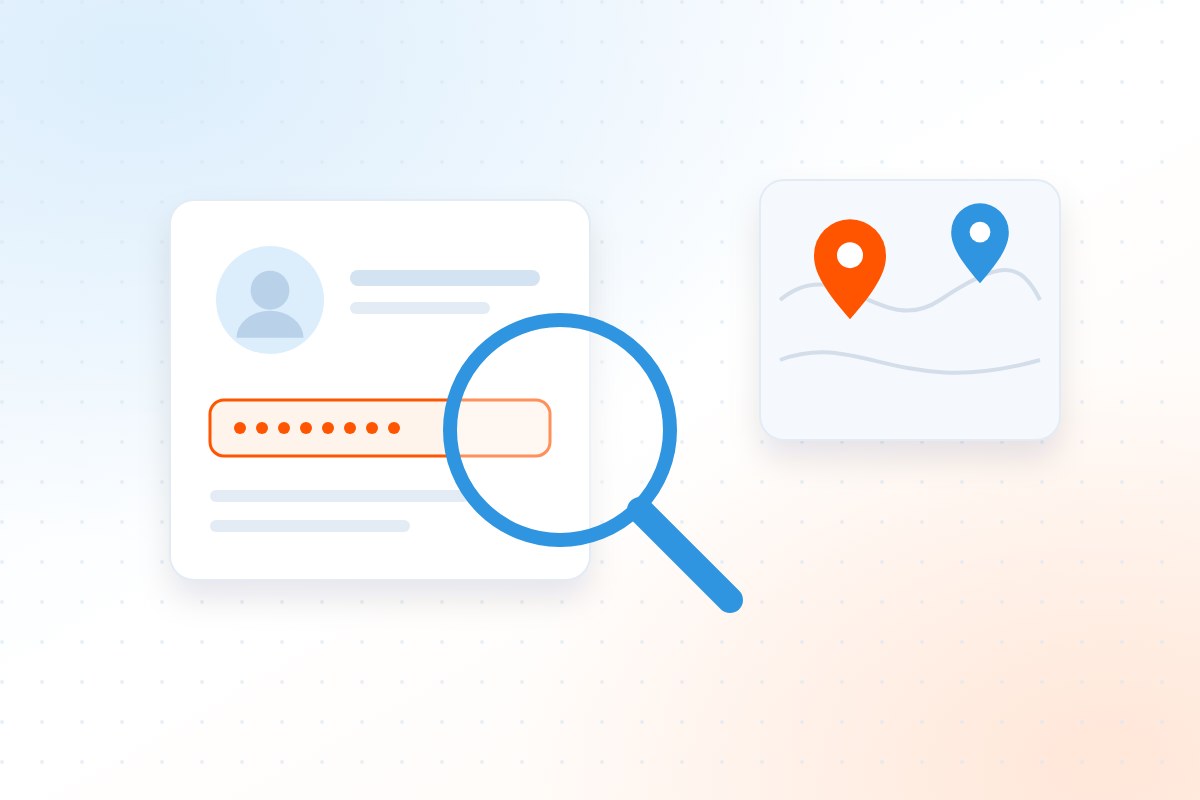
How it works in practice.
Your details
You give us the addresses to be checked. We don't need passwords for this.
Matching
We match against known data leaks – passively, without access to your accounts.
Assessment
Not every hit is a problem. We sort by actual risk.
Conversation
We go through the result with you and agree on the order of the next steps.
The analysis of freely available sources. We gather what is already on the internet about your organisation – the way an attacker would at the start. The abbreviation stands for "Open Source Intelligence" and has nothing to do with open-source software.
At no point do we send a request to your systems. Everything comes from third parties who hold this information anyway. That is why there is no risk of outage, no alarms and no need to coordinate with your IT.
When a provider has been hacked, addresses and passwords often turn up in collections that are traded. We check whether your addresses appear there – and above all whether that is still a risk today or an old finding without consequences.
A test system or an old project page that nobody looks after any more but that can still be reached from the internet. Because nobody misses it, a break-in there goes unnoticed too.
What is included – and what explicitly is not.
Typical scope
Up to five email addresses, for example for one person or a family.
Duration
Result usually within two working days, followed by a conversation of around 30 minutes.
Prerequisite
Just the addresses to be checked. No access to your devices or accounts needed.
Not included
We don't buy leaked data and don't download complete data sets.
A leak check shows what is publicly known. It doesn't say whether one of your devices is currently compromised – that would need a device check.
What people ask beforehand.
No, never. We check addresses, not passwords. If an affected password turns up, we tell you – you never have to tell it to us.
In principle yes, and that is a good first step too. The difference lies in the assessment: a hit from 2014 with a password changed long ago is harmless, a recent one with a reused pattern is not. It is exactly this assessment that self-check services lack.
The scope is small and manageable – we tell you the price in the free intro call before you decide.
More offers for you.
Leak check for individuals
We check whether your email addresses and passwords appear in known data leaks – and tell you in plain language what follows from that.
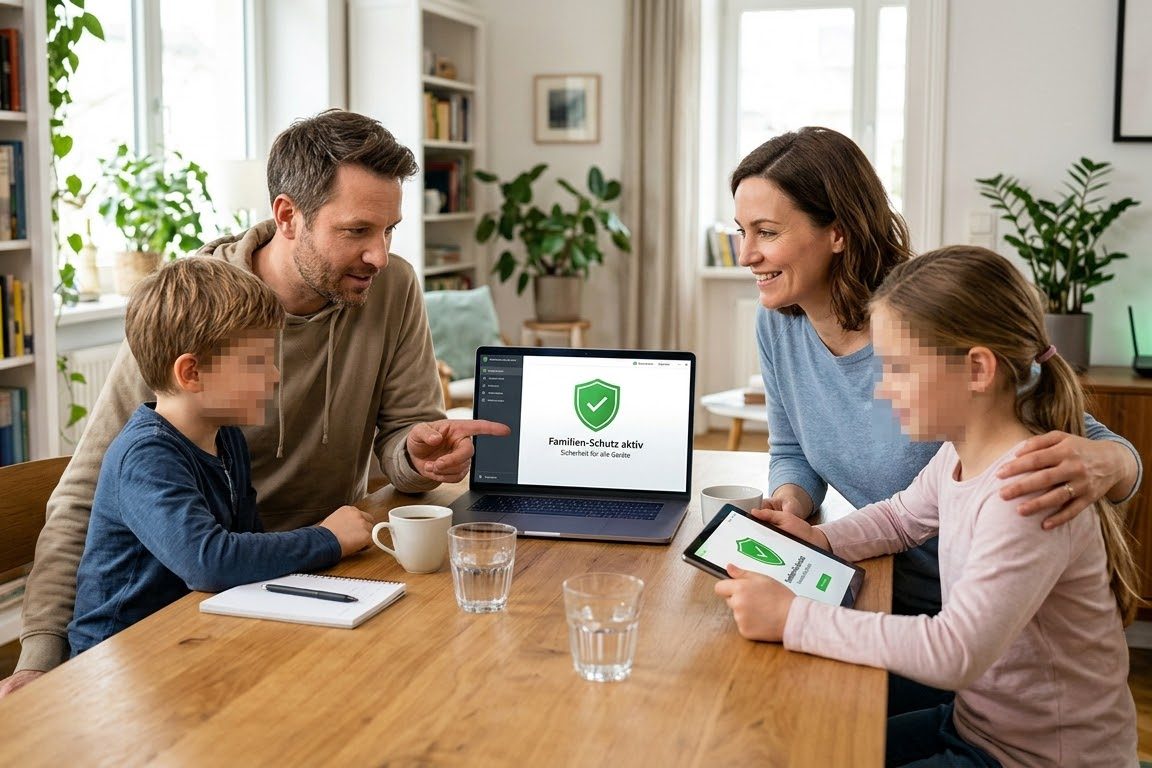
Family coaching
One session for the whole family – because different scams target different age groups and every generation needs something different.
Checking router, Wi-Fi & smart home
The router is the gateway to everything connected in your home – and usually the device nobody has looked after since it was installed.
What we encounter in assessments, before you encounter it.
Not a product newsletter. We write about attack paths that actually worked against Austrian businesses, authorities and schools – and what helps against them.
- About once a month, not every week
- Concrete attack paths from real assessments
- No tracking pixel, no sharing with advertisers
- Unsubscribe with one click in every email